
Redwood Primary School Together, we SHINE
Talk, talk, talk
Great spaces for a cosy chat
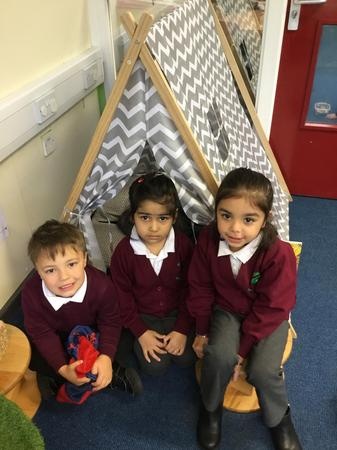
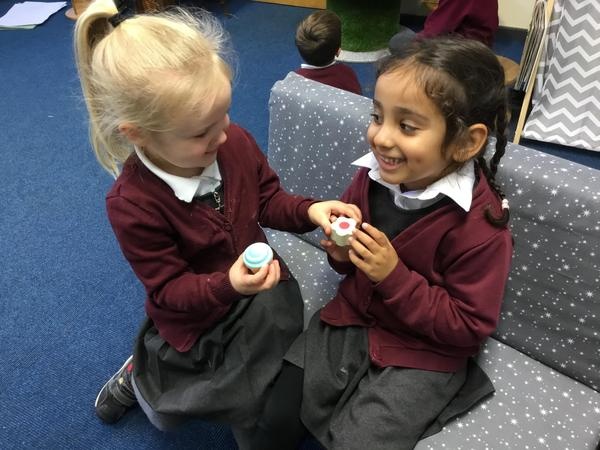
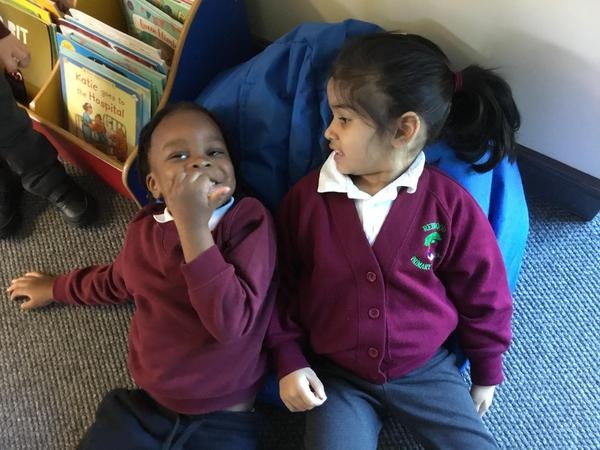
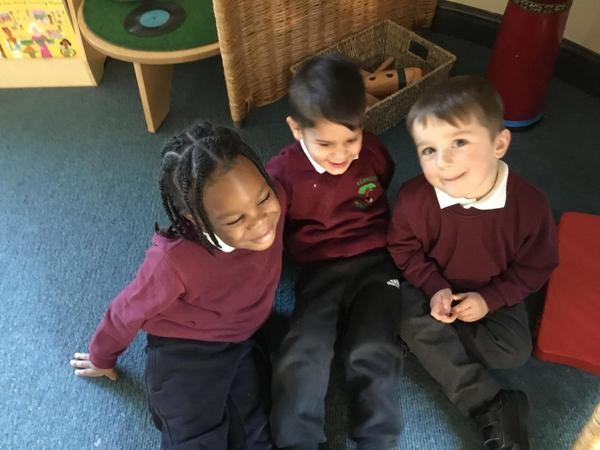
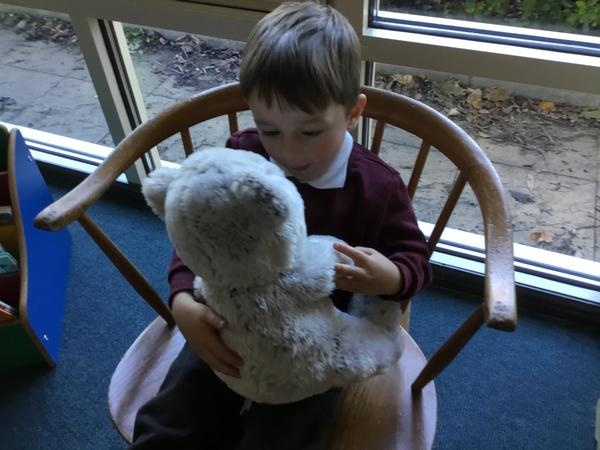
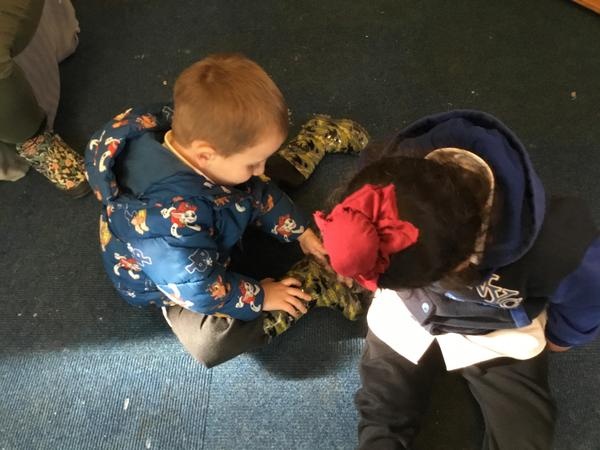
We have lots of great spaces in Nursery where you can sit with a friend, or a teddy and have a good chat!
Nursery snack and chat
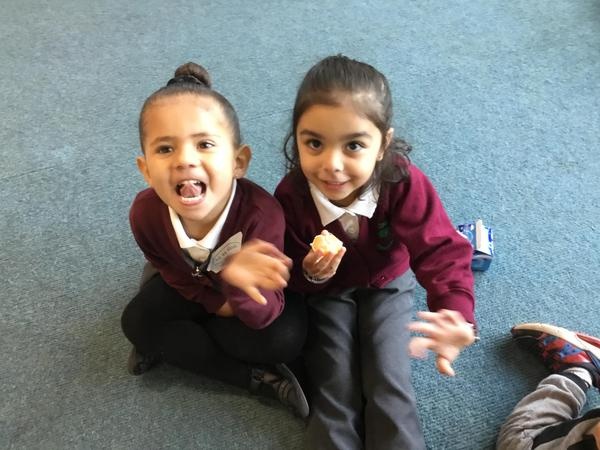
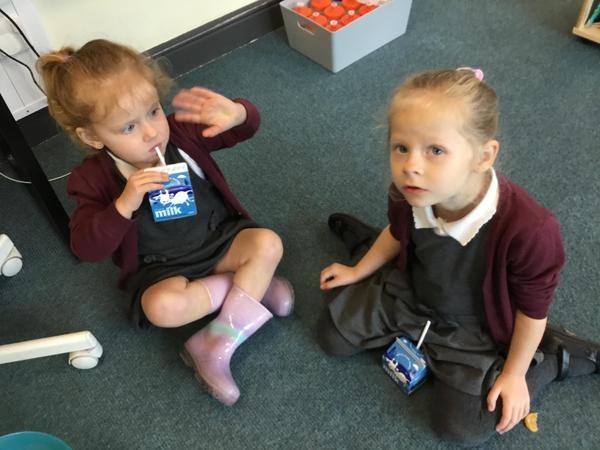
Every day, in Nursery, we have a 'snack and chat time'. This gives the children chance to talk with their friends and share all of their news!
Learning new words
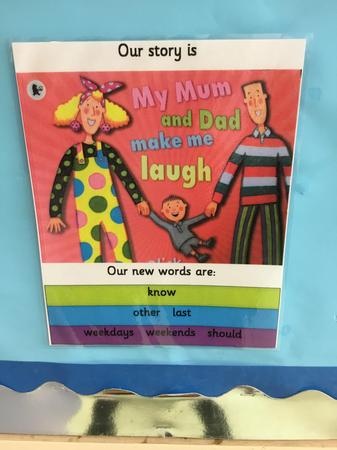
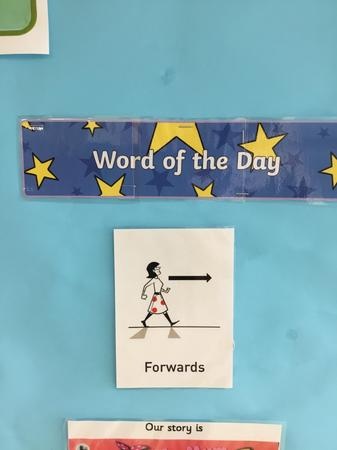
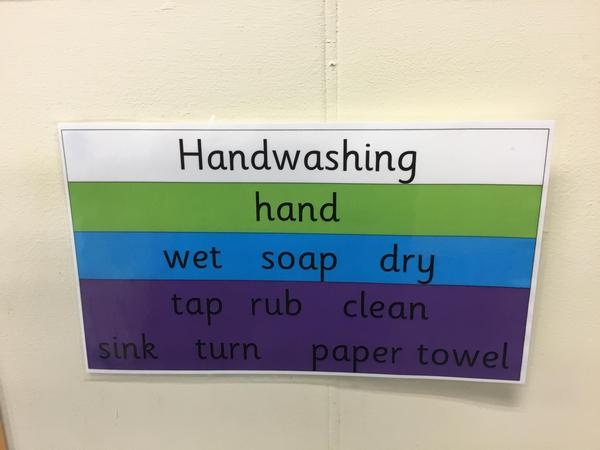
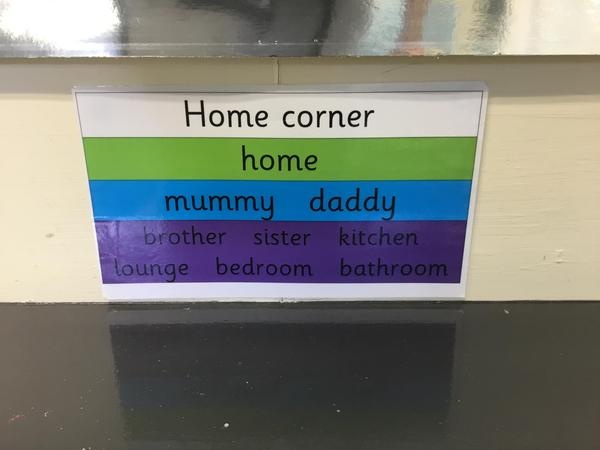
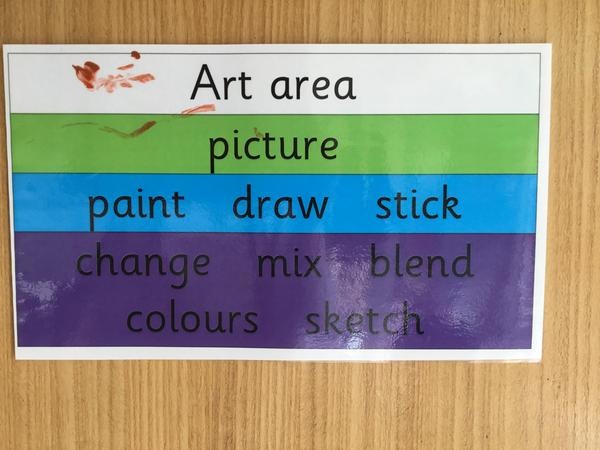
We learn new words in lots of different ways. We learn words with our new stories, with our nursery rhymes and where ever we play!
“Talking” homework
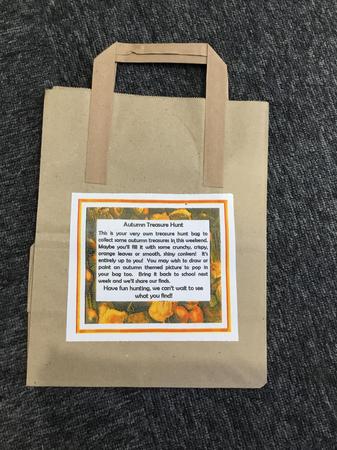
Daily posts on Dojo
In Nursery and Reception we share daily information about what we have been doing in school to encourage conversation at home.
Parent feedback
"Thank you for posting daily things on Dojo. Now I know what my child has been doing. She can tell me all about the stories."
"Thank you to all the teachers. My son tells me so much about school and the teachers. He has changed so much since his old Nursery"
Bedtime bags and chatter boxes
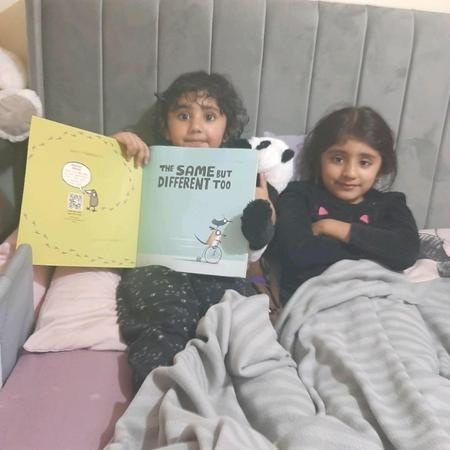
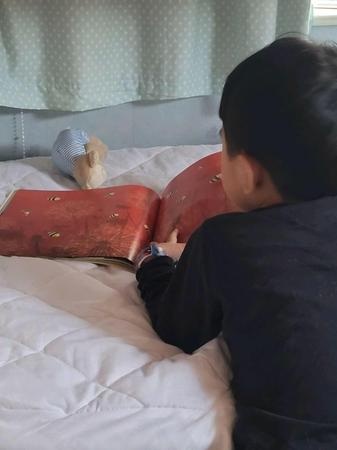
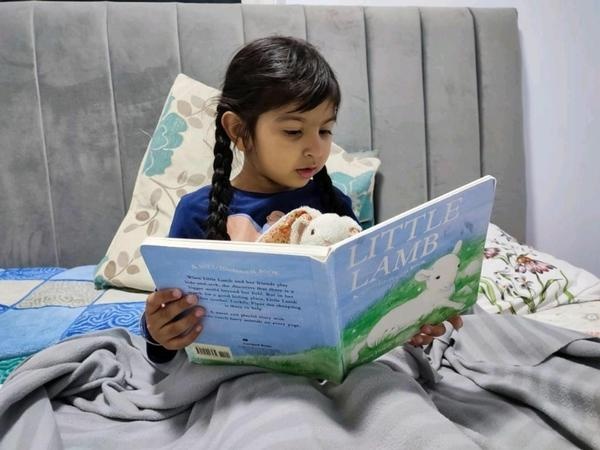
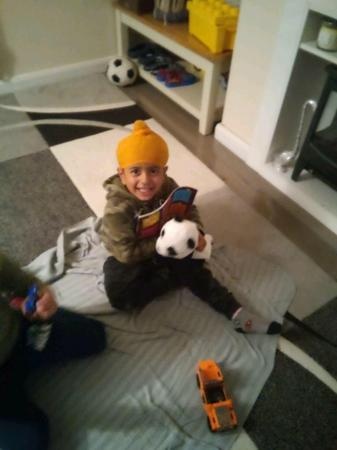
Your child may come home from nursery with a bedtime bag. Each bag contains a lovely story book, a cosy blanket and a cuddly teddy to share the story with.
Chatter boxes are full of great collections of things that you can share at home to get talk started.
Comments about the bedtime bags shared with Nursery families
"Last night Gian snuggled up in the blanket and hugged the teddy, listening to the bedtime story. He was so happy and excited. He even tried to read the book by himself. I am so grateful for the help and support to develop good routines and memories."
"The bedtime bag was very nice and enjoyable. Thank you so much for organising this."
"Joey is very much enjoying cuddling the dolphin teddy and learning all about the different sea animals in this weeks book!.
"Last night Jafar really enjoyed the bedtime bag on the sofa before bedtime."

All about me bags
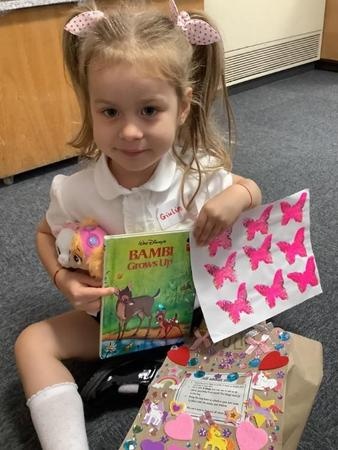
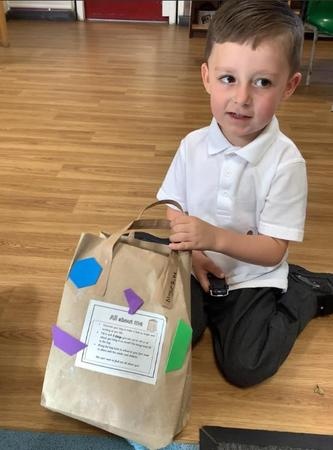
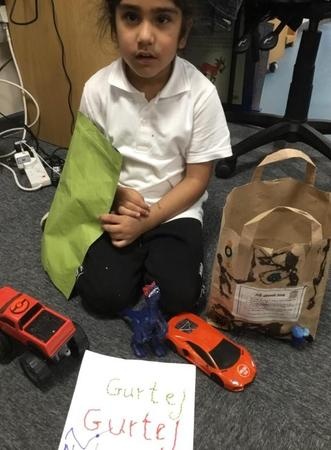
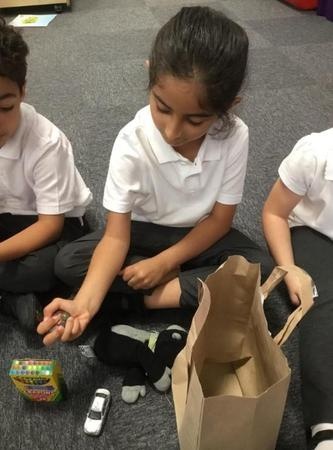
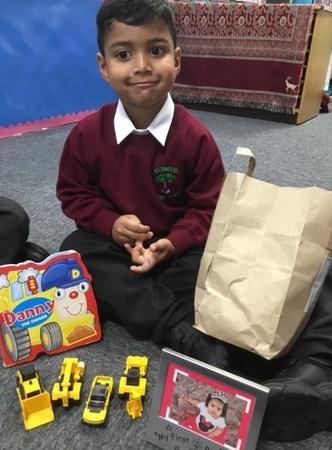
Before they start school children were given an "All about me" bag. They filled it with 4 things to talk about to help us get to know them.
Ways to develop communication skills at home:
Here are some activities that develop Communication and Language skills that you might like to try at home.
Daily Routines and Narrating
- Narrate your day: Talk through what you are doing while cooking, tidying up, or getting dressed (e.g., "I'm slicing the apple now. It's green and crunchy"). This gives children real-world vocabulary attached to actions.
- Use running commentary outdoors: Follow what your child is looking at or pointing to and describe it immediately (e.g., "Look, a big red bus is driving past!").
- Pause during routines: Deliberately pause right before finishing a familiar song, rhyme, or action (like putting on shoes or blowing bubbles) to give your child a chance to fill in the missing word or make a sound.
Play and Interaction Strategies
- Get down to eye level: Face your child directly so they can see your facial expressions, mouth movements, and body language.
- Ask open-ended questions: Instead of questions that need a "yes" or "no" answer, ask things like "What are we going to build with these blocks?" or "What do you think happens next in the story?".
- Echo and extend: When your child says a short phrase (e.g., "Dog run!"), expand it naturally: "Yes, the big dog is running fast!".
- Give thinking time: Wait at least 5 to 10 seconds after asking a question before jumping in to answer or finish their sentence for them.
Stories, Songs, and Games
- Read and chat about books: Don't just read the words—talk about the pictures, ask how characters might feel, or let them act out parts of the story.
- Sing songs and nursery rhymes: Repetitive songs, fingerplays, and rhyming games help children tune into the rhythm and sounds of language.
- Play turn-taking games: Simple back-and-forth games—like rolling a ball, taking turns stacking bricks, or playing simple board games—teach the natural rhythm of listening and waiting in a conversation.